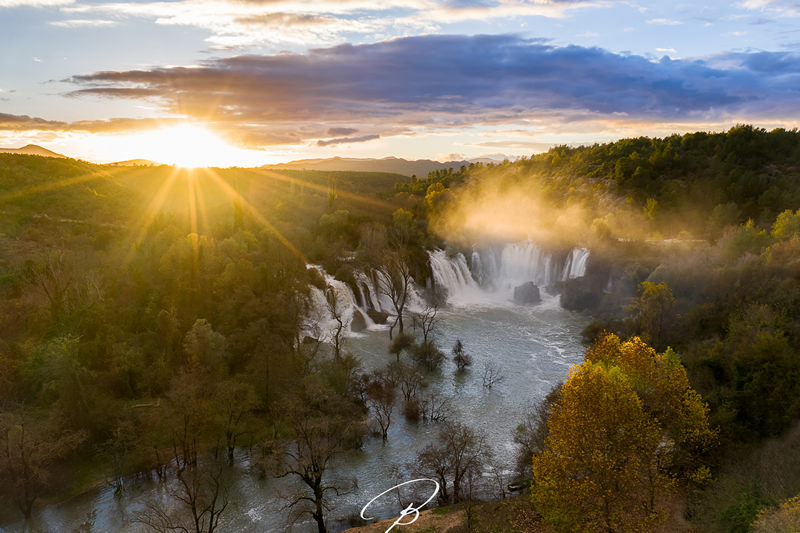
Ljubuški, Ljubuša, Skunasticus…
A city whose birth did not arise from tumult, but from the quiet folds of history, from a man’s love for his beloved, and later, from the silent resilience of its people.
First known as Skunasticus under the Roman Empire, this land was carved into by Roman veterans in the 1st century, who inscribed a tribute to Emperor Tiberius, in gratitude for the lands they had received.
Centuries later, it was love that spoke. In the 15th century, Lord Herceg Stjepan Kosača, in love with Ljubuša, built a fortress in her name.
This intimate gesture gave birth to a collective name: Ljubuški, a place that carries the echo of a heart, then of a city. The name first appeared in the Dubrovnik archives in 1444.
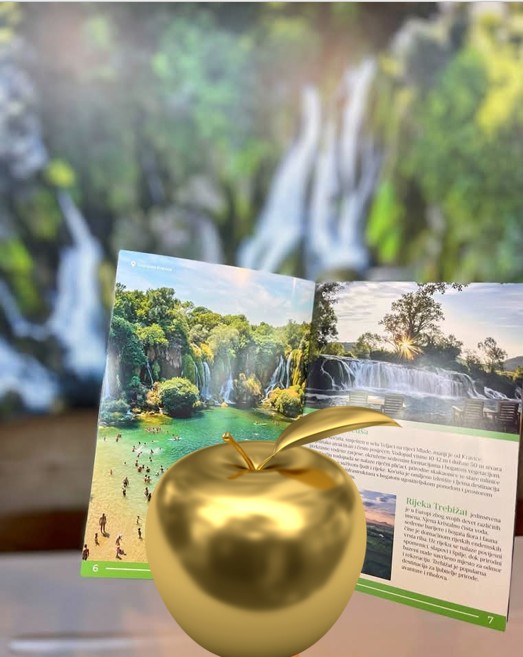
Then came the voice of the people, a voice that never fades, not even after exile or wounds. Like the Trebižat River, which disappears nine times beneath the earth before rising again, Ljubuški rose once more, carried by those who never stopped believing in it.
In every glance, every smile, every wrinkle, every word, a song can be heard : the bećarci. Improvised verses born of the heart’s rhythm, where humor, faith, and pride converge.
| Mene moji naučili preci, | My ancestors taught me, | ||
| Di go dođeš, “Faljeni Isus” reci. | Wherever you go, say “Praise Jesus.” | ||
| Oj Ljubuški, moje misto rodno, | Oh Ljubuški, my native place, | ||
| U tebi mi zapjevati zgodno. | It is a joy for me to sing there. | ||
| Ja se ne bih, ja se ne bih, | I would not, I would not | ||
| Hercegovka zvala, | be called a true Herzegovinian woman, | ||
| Kad ne bih, kad ne bih | If I didn’t, if I didn’t | ||
| zapjevati znala. | know how to sing. |
These lines are not just sung, they are lived, shared, and passed down. They affirm one’s belonging to this place. They tell the story of Ljubuški better than any book or map. Ljubuški now spans nearly 292.7 km². Its territory includes the town itself and 34 other localities, villages of stone and memory: Humac, Grljevići, Vitina, Studenci… Names woven into the landscape and the hearts of its people. It is a city modest in size, but immense in humanity.
In nearby Kravica, water shapes stone…. In Ljubuški, it is the people who have patiently shaped endurance. The city is not frozen in time, it is rooted. Each memory, each smile, each song is like a layer of tufa laid upon its heart, not to weigh it down, but to make it indestructible. Today, Ljubuški stands fully in the light… It is no longer sought in legends, it is celebrated.
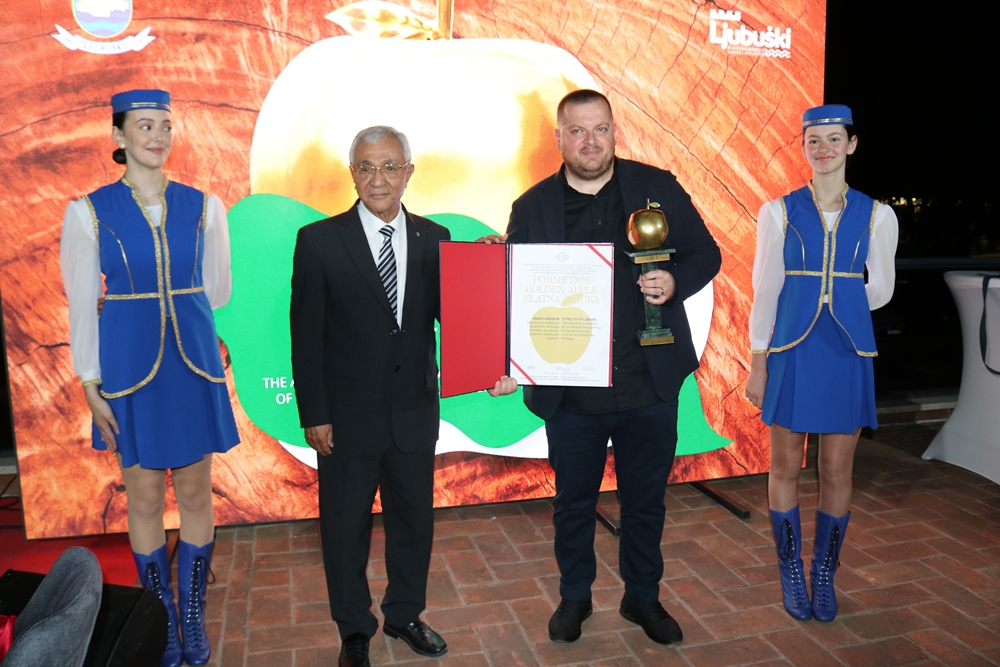
It receives the Golden Apple, not as a prize, but as a gesture of recognition. Ljubuški doesn’t shine because it is applauded, Ljubuški shines because it knows how to love. It shines because it honors its heritage, its art, its culture, and its youth.
by Dr Sabria Korichi